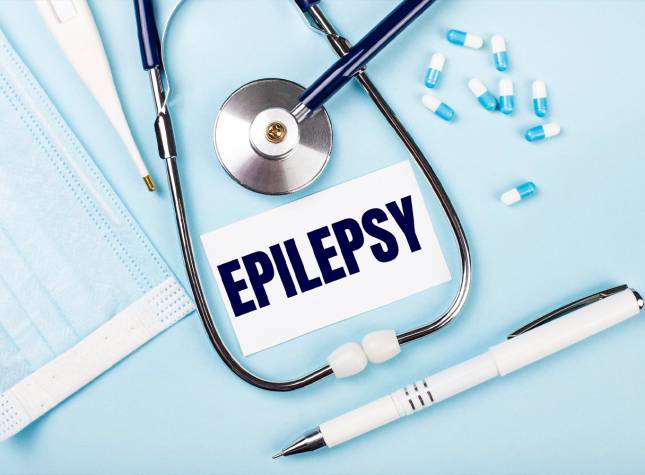
Epilepsy is more common than many of you realize. In fact, roughly 10–12 million people in India are affected by this condition. It is a neurological condition that happens when the brain becomes more likely to trigger sudden, recurrent, and unprovoked seizures. Different people may experience these seizures in different ways; one can experience brief staring spells, while others may have full-body convulsions.
Since epilepsy can affect anyone of any age or background, getting the right help at the right time is crucial. If you or a loved one is experiencing frequent unexplained seizures, it’s time to consult an epilepsy specialist in Kolkata.
A precise diagnosis involves evaluation of medical history, physical exams, and tests such as an EEG or an MRI. Under the guidance of the best neurologist in Kolkata, you can find effective treatment options that properly manage the condition and improve the quality of life. Understand that timely care makes a significant difference in managing epilepsy.
Note: Epilepsy is a chronic condition that can be managed, not a curable disease.
Read Also: How Long Does It Take To Recover From Brain Surgery? Recovery Timeline & Tips
What Is The Best Epilepsy Treatment In Kolkata ?
All you need is the best care and treatment in Kolkata. Some of the possible Epilepsy treatments are:
Possible seizure or Epilepsy treatments in Kolkata include:
1. Medicines
The best neurologist in Kolkata can prescribe anti-seizure medicines at the right dose to help control seizures by calming brain activity.
2. Surgery
For some cases, surgery may be recommended to remove the brain region responsible for seizures.
3. Therapies for Brain Stimulation
An epilepsy doctor near you in Kolkata can use devices such as vagus nerve stimulators. This helps send electrical signals to calm brain activity and reduce seizures.
4. A Ketogenic Diet
This diet involves high-fat, low-carb food and can manage seizures, especially when medicines are ineffective.
5. FDA-Approved Medications
There are some safe and effective FDA-approved medicines to manage epilepsy. They are taken only under medical guidance.
6. Immunotherapy
These are used in rare cases if only the immune system is causing the problems; immunotherapy eliminates harmful antibodies attacking the brain.
7. Regular Follow-UPS
The best neurologist in Kolkata will schedule regular visits to check the effectiveness of the treatment and manage any side effects quickly.
8. Specialized Epilepsy Department/Clinics
These clinics or departments at Iris Multispeciality Hospital provide expert, all-in-one care under one roof to support patients conveniently and effectively.
9. Supportive Therapies
Counseling and education help patients and families better understand epilepsy triggers and manage them better daily.
Note: These treatments are for educational purposes only; do not rely on them. Your doctor will decide the best epilepsy treatment for you based on your condition.
Read Also: Best Neurosurgeon in Kolkata: Who to Consult for Advanced Brain and Spine Surgery
What Are The Causes Of Epilepsy ?
While the exact cause of the seizure (in up to 70% of cases) is still unknown, more common seizures are caused by the following reasons:
- Brain vessel abnormalities
- Brain infections
- Head injuries
- Scar that forms in the inner part of the brain
- metabolic condition
- Birth abnormalities
- Immune disorders
Read Also: What Everyone Needs to Know About Stroke: A Comprehensive Guide
What Are The Symptoms Of Epilepsy
The symptoms vary depending on the type of seizure you have. Some common seizure signs and symptoms are:
- A brief loss of awareness
- Loss of consciousness
- Uncontrolled muscle movements
- Muscle jerking or loss of muscle tone
- Staring into space
- Upset stomach
- Waves of heat or cold
- Goosebumps.
- Lip-smacking
- Chewing motion
- Rubbing hands and finger motions
- Fear, dread, anxiety or déjà vu
- Faster heart rate
- Faster breathing
- Slowed thinking
- Difficulty in talking and understanding
- Changes in hearing, vision, taste, smell
- Tingling
Read Also: Top Orthopedic Doctors In Kolkata For Bone & Joint Care
How to Diagnose Epilepsy ?
Following are the ways to diagnose epilepsy:
- If you have two or more seizures not because of other medical conditions like low blood sugar or alcohol withdrawal. Then it can indicate epilepsy.
- Your best neurologist in Kolkata starts with a physical exam and detailed medical history.
- Blood tests may be done to eliminate other possible reasons for seizures.
- You or a witness may be asked about what happened during the seizure.
- Sometimes, advanced tests such as video-EEG monitoring or SPECT scans in Kolkata hospitals help detect the origin of seizures for accurate diagnosis.
Tests to diagnose this epilepsy:
- Electroencephalography (EEG): Measures the electrical activity in the brain.
- Brain scans: Magnetic resonance imaging (MRI) to inspect for things such as tumors, infections, or blood vessel abnormalities.
Read Also: Top 7 Causes Of Knee Pain And How To Treat Them Effectively
Best Epilepsy Treatment Hospital in Kolkata | IRIS Multispeciality Hospital
Iris Multispeciality Hospital in Kolkata provides expert neurological care under one roof. We have a dedicated team of experienced neurologists, specialists, dieticians, and therapists to give tailored care. We provide advanced, modern diagnostic tools and innovative, personalized treatments for epilepsy and other neurological disorders. We are known for our compassionate, comprehensive care for patients of all ages.
Read Also: Bones Matter: Are You Giving Yours the Attention They Deserve
FAQs
Q1: Which doctor is best for Epilepsy ?
A: The best doctor for Epilepsy management is usually a neurologist or an epileptologist. They specialize in diagnosing and treating seizure cases.
Q2: Is Epilepsy 100% curable ?
A: Epilepsy is not 100% curable; however, following proper treatment, most people can handle seizures efficiently and live a normal life.
Q3: Can Epilepsy be prevented ?
A: While epilepsy can’t always be prevented. However, avoiding triggers such as head injuries and infections and managing overall brain health can minimize risk.

 IRIS
IRIS
 Address: 82/1, Raja S. C. Mullick Road, Kolkata 700047
 Open: 24x7
 +91 8929579509